

Living in a multi-family building comes with a sense of shared space and, sometimes, hidden construction history. One thing that’s often overlooked is asbestos, a mineral that was used in all kinds of building materials a few decades ago. Figuring out what’s risky, what landlords have to handle, and how it could affect your health is important. Let’s break it all down.
Identifying Potential Asbestos-Containing Materials
Most people can’t tell something contains asbestos just by looking. There’s no odor or special appearance. Instead, asbestos might be hidden in older siding, roof shingles, textured ceilings, vinyl floor tiles, plaster, pipe insulation, and even old joint compounds. The list is long:
- Cement flat sheets and pipeline wraps
- Plaster and some types of drywall
- Popcorn ceilings and specialty paints
- Vinyl tiles and flooring felt
- Roof coatings, shingles, and siding
If your building was put up before 1980, there’s a good chance at least some parts have asbestos lurking somewhere. But the stuff only becomes a problem when it’s disturbed—think renovations, repairs, or just wear and tear over time.
Health Implications of Asbestos Exposure
The dangers of asbestos are real, and sometimes, they don’t show up until years later. Asbestos is made up of tiny fibers, and when those fibers float in the air and get breathed in, they can stick in your lungs. Over the long term, this can cause some serious health issues. Inhaling asbestos fibers can lead to illnesses like lung cancer, asbestosis (scarring that makes breathing tough), and mesothelioma, a cancer found in the lining of the lungs. The effects are well-known, even if nobody feels sick right away. Tenants and property managers looking to understand their broader risk exposure can review information on mesothelioma causes and risk factors. These health risks have been recognized for decades, and they’re a major reason attention to asbestos exposure is so important in older buildings.
Legal Responsibilities for Property Owners
Property owners have a clear set of responsibilities when it comes to potential asbestos risks. Even though federal law doesn’t always require them to inform tenants about asbestos, local or state regulations might. In most places, laws say owners must:
- Provide a safe and habitable environment
- Know the age and construction details of their property
- Hire a licensed professional to test for asbestos if renovation or visible damage is present in older buildings
- Follow safety rules during any repairs or construction affecting possible asbestos-containing materials
Sometimes property owners have to keep records, especially if the building was constructed before 1981. If damaged materials could be a hazard, they’re expected to act—whether that means abatement, sealing off ducts and doors during work, or relocating tenants temporarily until everything’s safe again. There’s definitely no room for shortcuts when it comes to handling asbestos in multi-family housing.
Prioritizing Safety During Multi-Family Housing Remediation
When dealing with asbestos in multi-family housing, safety has to be the top concern. It’s not just about following rules; it’s about protecting the health of everyone living and working in the building. This means taking careful steps before, during, and after any work that might disturb asbestos-containing materials.
The Importance of Professional Asbestos Inspections
Before any renovation or repair work begins, it is absolutely vital to get a professional asbestos inspection. Trying to guess if a material contains asbestos is a bad idea. Certified inspectors have the tools and knowledge to identify suspect materials and take samples for lab testing. This testing confirms whether asbestos is present and in what quantity. This initial step is the foundation for all subsequent safety measures. Without a proper inspection, you risk unknowingly exposing residents and workers to harmful fibers. These inspections help create a clear picture of the asbestos situation, guiding the entire remediation plan. You can find qualified inspectors through local environmental agencies or professional organizations.
Safe Practices During Renovation and Repair
During any renovation or repair work in a multi-family building, strict safety protocols must be followed. This is especially true if asbestos has been identified or is suspected. Key practices include:
- Minimizing Disturbance: Work should be planned to disturb asbestos-containing materials as little as possible. If materials can be left in place and sealed, that is often the safest approach.
- Using Wet Methods: When materials must be worked on, using water or a wetting agent can help keep dust and fibers from becoming airborne. This significantly reduces the risk of inhalation.
- Proper Ventilation Control: Work areas should be isolated and ventilated using specialized equipment that filters the air before it’s released outside. This prevents the spread of fibers to other parts of the building.
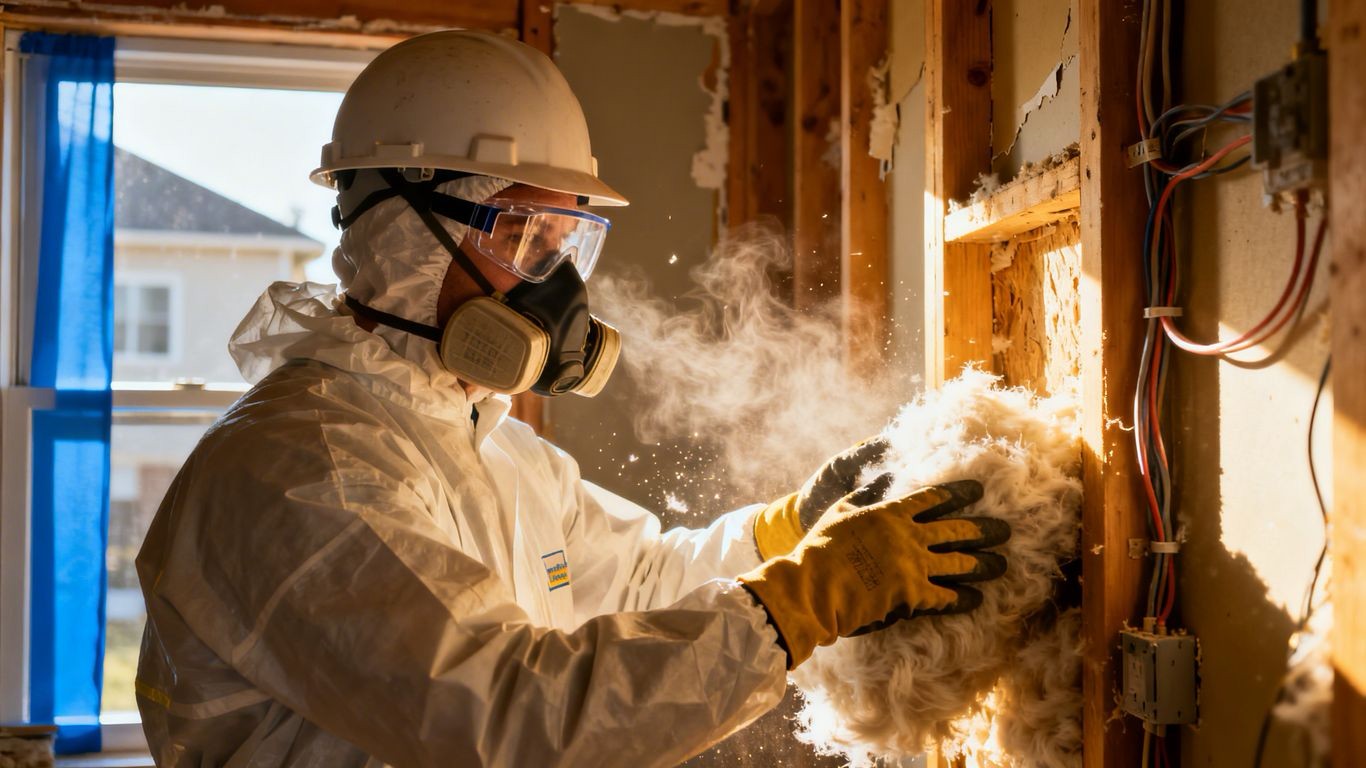
- Personal Protective Equipment (PPE): All workers involved in renovation or repair activities in areas with potential asbestos must wear appropriate PPE, including respirators, disposable coveralls, gloves, and eye protection.
Following these practices helps to control asbestos disturbance and protect the health of building occupants and workers.
Tenant Communication and Relocation
Open and honest communication with tenants is a critical part of any asbestos remediation project. Residents need to be informed about the presence of asbestos, the planned work, and the potential risks. This communication should happen well in advance of any work starting.
- Information Sharing: Provide clear, easy-to-understand information about the project, including timelines, safety measures being taken, and potential impacts on their living space.
- Addressing Concerns: Be prepared to answer questions and address any concerns tenants may have about health risks or disruptions.
- Relocation Planning: In cases where significant asbestos removal is necessary, or if the work will make units temporarily uninhabitable, a relocation plan must be in place. This plan should outline temporary housing options, assistance with moving, and the process for returning to their homes once the work is complete. Ensuring tenants have safe, alternative accommodations is a priority.
The Asbestos Abatement Process for Multi-Family Properties
When asbestos is identified in a multi-family property, a structured abatement process is necessary to protect residents and building staff. This isn’t a DIY job; it requires careful planning and execution by trained professionals. The primary goal is to remove or safely contain asbestos-containing materials (ACMs) to prevent the release of harmful fibers into the living environment.
Containment Strategies for Fiber Control
Before any work begins, rigorous containment measures are put in place. This is vital to stop asbestos fibers from spreading to other parts of the building. Common strategies include:
- Sealing off work areas: This involves using thick plastic sheeting to cover all openings, including windows, doors, and vents. Negative air pressure machines are often used to ensure that air flows into the contained area, not out, trapping any released fibers.
- Isolating HVAC systems: Heating, ventilation, and air conditioning systems within or near the work zone are shut down and sealed to prevent fiber circulation throughout the building.
- Establishing decontamination units: Workers must pass through a series of chambers to remove contaminated clothing and equipment before exiting the work area, preventing the tracking of asbestos fibers.
Controlled Removal and Disposal Procedures
Once containment is established, the actual removal of ACMs takes place. This is done with specialized tools and techniques designed to minimize fiber release. Professionals follow strict protocols for handling and disposing of asbestos waste. This includes:
- Wetting materials: Asbestos-containing materials are often sprayed with water or a wetting agent to keep fibers from becoming airborne during removal.
- Careful handling: Materials are removed in large pieces whenever possible and placed into specially marked, sealed bags or containers.
- Proper disposal: Asbestos waste must be transported and disposed of at licensed landfills designed to handle hazardous materials. Property owners should receive documentation confirming proper disposal.
Post-Abatement Verification and Cleaning
After the removal is complete, the work area undergoes thorough cleaning and verification. This step is critical to confirm that the environment is safe for reoccupation. It typically involves:
- Visual inspections: A visual inspection is conducted to ensure all debris has been removed.
- Air sampling: Certified industrial hygienists perform air monitoring to test the air quality. Multiple rounds of air sampling are usually required to confirm that asbestos fiber levels are below regulatory limits.
- Final clearance: Only after passing all air quality tests is the containment removed, and the area is cleared for normal use. Property owners should obtain a clearance report from the abatement contractor and the air monitoring firm. Residents who have lived in buildings undergoing abatement and later develop symptoms should consult comprehensive mesothelioma information to understand whether their exposure history warrants further medical evaluation. For those in the Arlington County area, local asbestos abatement services can provide this specialized work.
This meticulous process is designed to address the hazards associated with asbestos and restore the property to a safe condition. Understanding these steps helps property owners appreciate the complexity and necessity of professional asbestos abatement.
Navigating Regulations for Multi-Family Housing Remediation
Federal Guidelines and Standards
When dealing with asbestos in multi-family housing, it is important to know that federal regulations set a baseline for safety. The Environmental Protection Agency (EPA) and the Occupational Safety and Health Administration (OSHA) have established rules that property owners and managers must follow. For instance, OSHA has specific requirements for buildings constructed before 1981, mandating that owners identify existing asbestos and adhere to safety protocols during any renovations or repairs. Failure to comply with these federal standards can lead to significant penalties. Understanding these rules is the first step in responsible asbestos management. Tenants and building managers who have been exposed can find mesothelioma diagnosis and support resources to help them understand health risks and available assistance. You can find more information on asbestos abatement and worker safety at OSHA’s asbestos page.
State and Local Housing Codes
Beyond federal mandates, each state and local jurisdiction has its own set of housing codes. These codes can vary widely and may impose additional requirements on property owners. Some states might require landlords to inform tenants about the presence of asbestos, while others place the responsibility on the buyer to test for contamination. It is vital for property owners to research and understand the specific housing codes applicable to their location. This includes knowing the requirements for asbestos testing, licensing for abatement professionals, and disposal procedures. For example, Virginia has detailed regulations concerning asbestos licensing and removal processes, including specific training and examination requirements for professionals Virginia asbestos regulations.
Documentation and Record-Keeping Requirements
Proper documentation is a critical component of asbestos remediation in multi-family housing. Maintaining thorough records is not only a regulatory requirement but also provides a clear history of the property’s condition and the steps taken to address asbestos. This documentation should include:
- Inspection reports from certified asbestos inspectors.
- Records of any asbestos-containing materials (ACM) identified.
- Details of the abatement process, including dates, methods used, and the professionals involved.
- Waste disposal manifests.
- Post-abatement clearance testing results.
Keeping these records organized and accessible is important for demonstrating compliance with regulations and for future reference. It also helps in managing tenant communications and addressing any potential concerns that may arise.
Securing Your Property Post-Remediation
Ensuring a Safe Living Environment
After the successful removal of asbestos-containing materials, the focus shifts to maintaining a healthy living space for all residents. It is important to confirm that all abatement work has been completed according to regulations and that the air quality within the building is safe. This involves reviewing the final clearance air monitoring reports provided by the licensed asbestos abatement professionals. These reports are the definitive proof that the air is free from asbestos fibers.
Ongoing Monitoring and Maintenance
While the initial remediation addresses the immediate asbestos concerns, a proactive approach to property management is necessary. This includes establishing a schedule for regular building inspections, particularly in areas where asbestos was previously present or where materials might have been disturbed. Property owners should keep records of these inspections and any maintenance performed. A routine check can help identify any potential issues before they become significant problems. This diligence helps protect the long-term health and safety of the building’s occupants. Residents who develop a mesothelioma diagnosis tied to their building’s history can seek mesothelioma cancer legal and medical guidance to explore what compensation options may apply to their case.
Tenant Rights and Recourse
Residents have a right to a safe and healthy living environment. Property owners must provide clear and timely communication regarding any asbestos remediation activities, including the results of post-abatement testing. If tenants have concerns or believe their health has been affected by asbestos exposure, they should be informed about the proper channels for addressing these issues. This might involve understanding their rights under local housing codes or seeking guidance from relevant health and safety authorities. Transparency and clear communication are key to building trust and addressing tenant concerns effectively. Tenants who develop health concerns after known asbestos exposure can access a mesothelioma overview and patient resources to better understand the disease and their options.
