

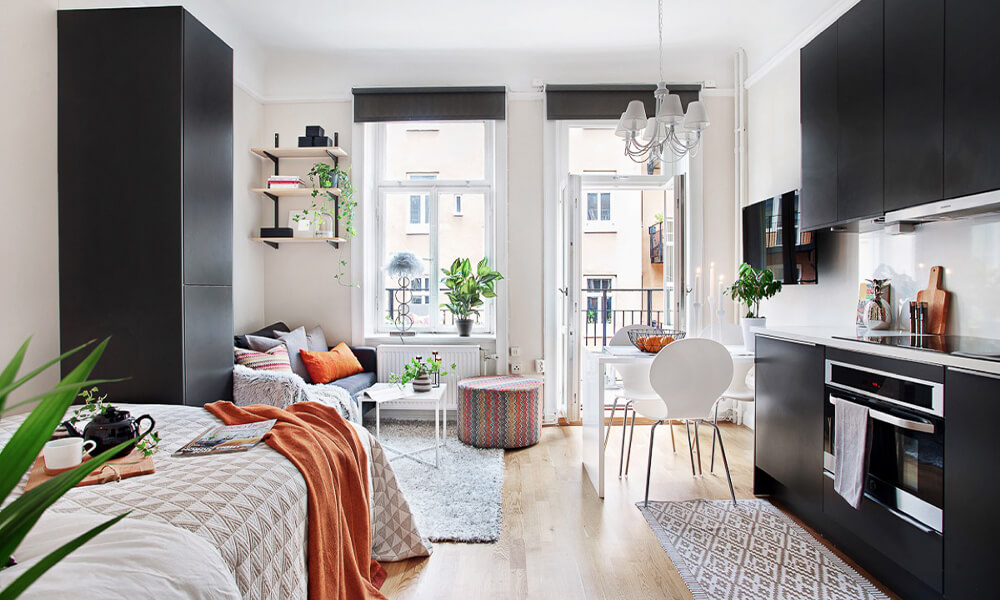
Living in a small space has its perks, from cozy vibes to easier upkeep. But one often-overlooked necessity is proper ventilation. Whether you’re in a studio apartment, a tiny home, or sharing a small rental, ventilation plays a critical role in maintaining a healthy and comfortable environment. Without it, issues like poor air quality, odors, and excess humidity can make small-space living feel far less appealing.
So, why is ventilation so important, and how can you improve it in smaller living areas?
Let’s break it down.
The Role of Ventilation in a Healthy Living Space
Every time you cook, clean, breathe, or even sleep, you release moisture and carbon dioxide into your environment. Combine this with factors like indoor pollutants from cleaning products, off-gassing furniture, or allergens, and you’re left with stale, often unhealthy air.
Ventilation helps remove these contaminants, replacing them with fresh air. Proper airflow prevents moisture buildup, which is especially important in small spaces where humidity can quickly lead to mold and mildew.
Mold isn’t just an aesthetic problem, it can aggravate allergies, trigger asthma, and create long-term damage to interiors. A well-ventilated space minimizes those risks, supporting both physical health and the longevity of your living area.
Comfort is Key
Poor ventilation can make small spaces feel stuffy and uncomfortable, especially in warmer weather. Without adequate airflow, indoor temperatures can rise quickly, causing discomfort and even breathing difficulties. On the other hand, good ventilation allows for cooler airflow, creating a more comfortable atmosphere to live, work, and relax in, even when the space itself is compact.
For renters who work from home in tight quarters, ventilation also plays a key role in avoiding fatigue. Stagnant air can make you feel sluggish, so introducing fresh air can help keep you energized and focused throughout the day.
Energy Efficiency
Ventilation doesn’t just improve health and comfort; it also contributes to energy efficiency. Stale air can trap heat, forcing your AC or fans to work harder to cool your home. By improving airflow, you can reduce the load on your appliances, which lowers energy usage (and those monthly bills).
Similarly, in colder months, good ventilation prevents condensation buildup on windows and walls. This moisture, if unchecked, can lead to drafts or heat loss, meaning higher heating bills. With proper airflow, you’re maintaining a more balanced internal climate year-round, stretching your dollars further.
Tips to Boost Ventilation
Here are some practical ways to enhance ventilation. Here are a few renter-friendly tips:
- Use portable fans: Circulation is the backbone of ventilation. Small oscillating fans or box fans can help keep air moving, especially in windowless corners or poorly ventilated areas.
- Crack a window (or several): Even if you only have one or two windows, open them frequently to allow for cross-ventilation. Pair them with fans to draw in fresh air and expel stale air.
- Install door draft stoppers: These prevent outside air from being blocked completely, ensuring there’s a natural flow between rooms without compromising heating or cooling.
- Consider air purifiers: For spaces with poor external ventilation, an air purifier can help remove allergens and pollutants. Look for units with HEPA filters for maximum impact.
Conclusion
Proper ventilation is essential for maintaining a healthy and comfortable environment, especially in small spaces where airflow can become limited. From preventing mold and mildew to enhancing comfort and energy efficiency, ventilating your home helps you get the most out of your living space.
