

When homeowners hear the phrase “permanent foundation solution,” it often sounds more like marketing language than a concrete reality. Yet in the world of structural repair and reinforcement, basement underpinning is widely regarded as one of the few solutions that truly earns that description. Unlike surface-level fixes or temporary reinforcements, underpinning fundamentally changes how a home is supported, addressing the root causes of many foundation issues rather than their visible symptoms.
Understanding why basement underpinning is considered permanent requires looking at what it actually does to a structure, how it differs from other foundation repairs, and why its effects extend far beyond the immediate project timeline.
What Makes a Foundation Solution “Permanent”
A permanent foundation solution is one that resolves underlying structural weaknesses in a way that does not rely on ongoing intervention or repeated repairs. It strengthens the foundation itself, improves load-bearing capacity, and adapts the structure to long-term soil and environmental conditions.
Many common foundation repairs do not meet this standard. Crack injections, patching, and cosmetic reinforcement may temporarily improve appearance or manage minor issues, but they do not change how the foundation interacts with the ground beneath it. Basement underpinning does, which is why it is viewed differently within the construction and engineering community.
How Basement Underpinning Alters the Foundation Itself
Basement underpinning works by extending the existing foundation deeper into the ground and anchoring it to more stable soil. This process redistributes the weight of the structure and reduces the stress placed on shallow or compromised footings.
By increasing foundation depth, underpinning improves resistance to settlement, soil movement, and changes in moisture levels. The new concrete footings become part of the structural system, not an add-on or overlay. This integration is what gives underpinning its permanence. Once completed, the foundation is fundamentally stronger than it was before.
Addressing the Root Causes of Foundation Problems
Many foundation issues originate below the surface, where soil conditions, groundwater, and load distribution interact over time. Shallow foundations are more susceptible to shifting soil, freeze-thaw cycles, and changes in moisture content, all of which can lead to settlement and cracking.
Basement underpinning directly addresses these root causes by relocating the foundation’s bearing point to more stable conditions. Instead of reacting to symptoms as they appear, underpinning prevents those symptoms from developing in the first place. This proactive approach is a key reason it is considered a permanent solution rather than a reactive repair.
Why Underpinning Outperforms Temporary Fixes
Temporary or partial foundation fixes often focus on managing the effects of movement rather than stopping it. While these methods can be appropriate in certain situations, they are not designed to halt long-term settlement or structural stress.
Basement underpinning changes the equation entirely. By reinforcing the foundation at a deeper level, it reduces the forces that cause damage over time. Homeowners who invest in underpinning often avoid the cycle of repeated repairs that can occur with less comprehensive solutions. Over the life of the home, this difference becomes significant both financially and structurally.
Structural Longevity and Load Redistribution
One of the defining characteristics of basement underpinning is its impact on load redistribution. The weight of the home is transferred more evenly and securely through the extended foundation, reducing stress on any single point.
This improved load distribution enhances the home’s ability to withstand changes over time, including renovations, additions, or increased occupancy. In this sense, underpinning does not just stabilize the present structure; it prepares the foundation for future demands. This adaptability further reinforces its classification as a permanent solution.
The Role of Engineering and Controlled Execution
Basement underpinning is guided by engineering principles and executed in carefully planned stages. This controlled process ensures that the foundation remains supported throughout construction and that the final result meets structural requirements.
Engineering involvement is critical because it tailors the underpinning design to the specific conditions of the home and soil. This customization ensures the solution is not only permanent in theory but effective in practice. The precision and oversight involved distinguish underpinning from more generalized repair methods.
Long-Term Performance Without Ongoing Intervention
A defining feature of permanent foundation solutions is the absence of ongoing maintenance related to the original issue. Once basement underpinning is completed and cured, it does not require periodic adjustments or reinforcement.
Unlike temporary supports or surface treatments, underpinning becomes part of the home’s permanent structure. While routine inspections are always recommended for any foundation, homeowners do not need to plan for recurring underpinning-related repairs. This durability is central to its long-term value.
How Underpinning Supports Future Basement Use
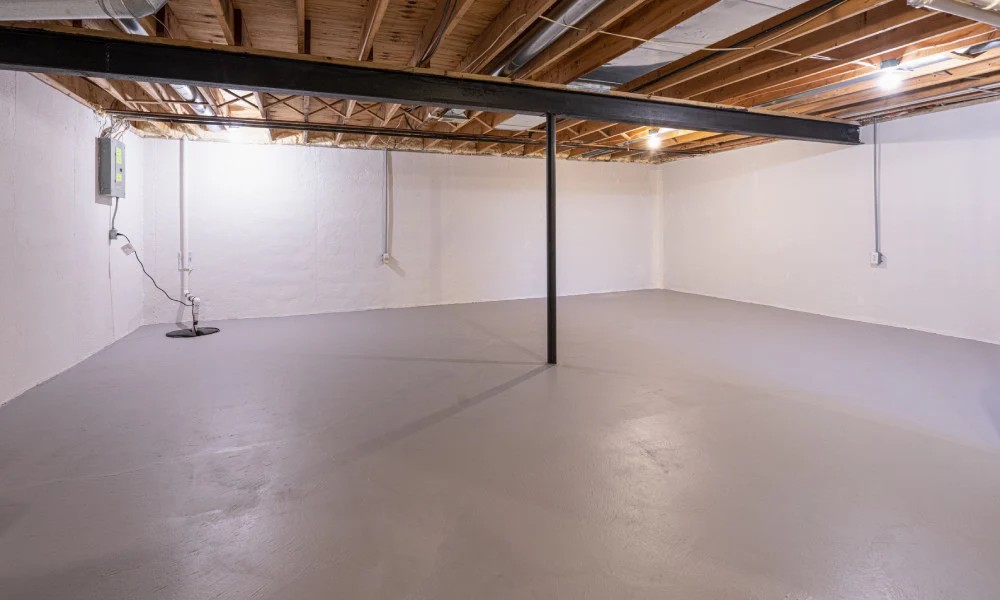
Beyond structural stability, basement underpinning often enables functional improvements such as increased ceiling height and improved basement usability. These changes are not temporary or reversible; they permanently alter how the space can be used.
Whether the basement becomes living space, storage, or a rental unit, the foundation is capable of supporting these uses safely. This functional permanence complements the structural permanence, reinforcing the overall value of the solution.
When Permanence Matters Most
Basement underpinning is most valuable in situations where long-term stability is essential. Homes with recurring settlement issues, older foundations, or plans for extensive basement use benefit most from a solution that does not rely on future intervention.
For homeowners planning to stay in their homes long-term or protect property value over decades, permanence is not optional-it is necessary. Underpinning meets this requirement by resolving foundational limitations rather than managing their consequences.
Understanding Permanence as an Investment in Stability
Calling basement underpinning a permanent solution is not an exaggeration; it reflects the scope and impact of the work involved. By strengthening the foundation at its core, underpinning addresses structural challenges in a way that endures over time.
For homeowners evaluating foundation options, understanding why underpinning is considered permanent helps clarify its role and value. When executed properly, basement underpinning provides lasting stability, flexibility, and peace of mind that temporary fixes simply cannot offer.
