

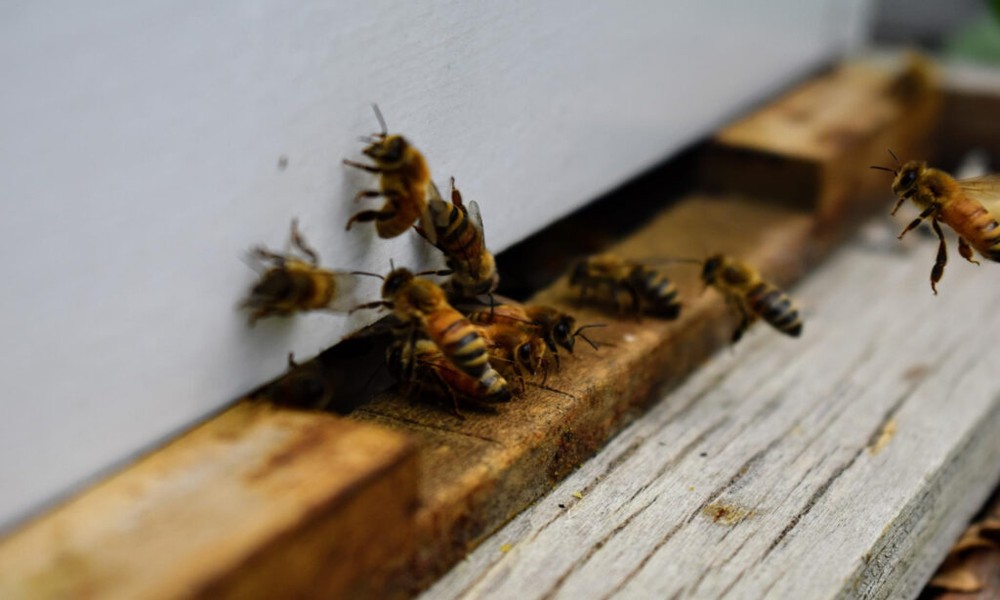
The Work That Begins After the Bees Are Gone
While the process of removing bees is undoubtedly important, it is by no means the last thing to be considered. The time following the removal is crucial in deciding whether or not a particular property will continue to be susceptible to infestations or will become a favored location for future swarms. Bees are very efficient animals, and any property that was once home to an established colony still carries pheromones that will attract scout bees searching for a new home base. It is important for any company, such as The Bee Removers, that offers a comprehensive bee removal service to include both preventive measures and post-removal care.
Why Do Previously Infested Sites Attract New Colonies?
Once the bees have settled on a nesting site, they manufacture different types of pheromones which indicate the suitability of the nesting area for other bees. The pheromones are transferred onto the beeswax, wooden material, and other construction elements used by the bee colony. In the absence of the bees, the pheromones remain intact in the materials for many months, and sometimes even years. Other scout bees coming across these leftover smells perceive them as indicators that the place is a suitable nesting area. Unless the area undergoes special treatment and modification to prevent access by the bees, it will again get infested within the year.
Sealing Entry Points Effectively
One of the most critical factors in pest prevention is closing the access routes through which bees were able to gain access into the building. This process is not as simple as putting some filler into the cracks that have appeared because it involves identifying every single access point, including those that may not currently be in use. Once all the access points are identified, each should be sealed using products appropriate for the material and the location. Some of the products that may be used for this purpose are weather-resistant exterior caulking, copper mesh, and metal flashing, since they are hard to remove or destroy by chewing.
Removing Honeycomb and Treating the Cavity
If the colony has been living within the wall or attic space, then the physical remnants of the hive, namely the honeycomb and any remaining honey, must be completely cleared out before sealing the void. If the honeycomb is left behind, then it will melt from the heat, and the honey will leak into the drywall or insulation of the house. This causes moisture issues and mold growth, and also leads to odors which attract additional insects such as ants, roaches, wax moths, and even rodents. Once the honeycomb has been removed, the void will need to be cleaned out, and in some cases, an enzymatic treatment that breaks down any leftover waxes and pheromones will be necessary.
Landscaping Considerations That Support Pest Control
The environment around a structure also influences bee management in the long run. While certain bee-attracting flora is important for maintaining garden ecology, planting it close to the wall or the roof overhang is likely to cause an increase in the number of bees around the structures. However, it is important to note that eliminating flowering plants on a property is not the recommended course of action. Instead, placing the plants away from the entrance points and swarm locations is advisable. Other structural elements, such as sources of water, compost heaps in proximity to the structure, and untreated hollow wooden structures, attract bees.
Monitoring for Early Signs of Reinfestation
Despite careful efforts to remove the nests and take preventative measures, monitoring the premises regularly is an advisable approach for property owners in Los Angeles, where bee activity is continuous throughout the year, and the swarming season involves the consistent arrival of new colonies that require new homes. A monthly stroll around the premises, focusing on openings that have been sealed, the roof line, and any parts of the walls where bees had been observed before, would be sufficient to identify early signs that indicate a renewed interest in the premises by a new colony.
Building a Long-Term Pest Control Strategy
Bees in Los Angeles are not a problem to be solved once but rather an aspect of property management that will be greatly aided by professional contacts, regular checks, and awareness of the conditions under which bees can become a threat. By far, the best results are achieved through a combination of complete removal with the intention of prevention and monitoring.
If property owners take the time after removal just as seriously as they do the removal process itself, they will find themselves facing fewer problems and associated expenses down the line. Those interested in creating a solid strategy for managing bees in their place of business or residence can do so with help from a professional service such as The Bee Removers.
