

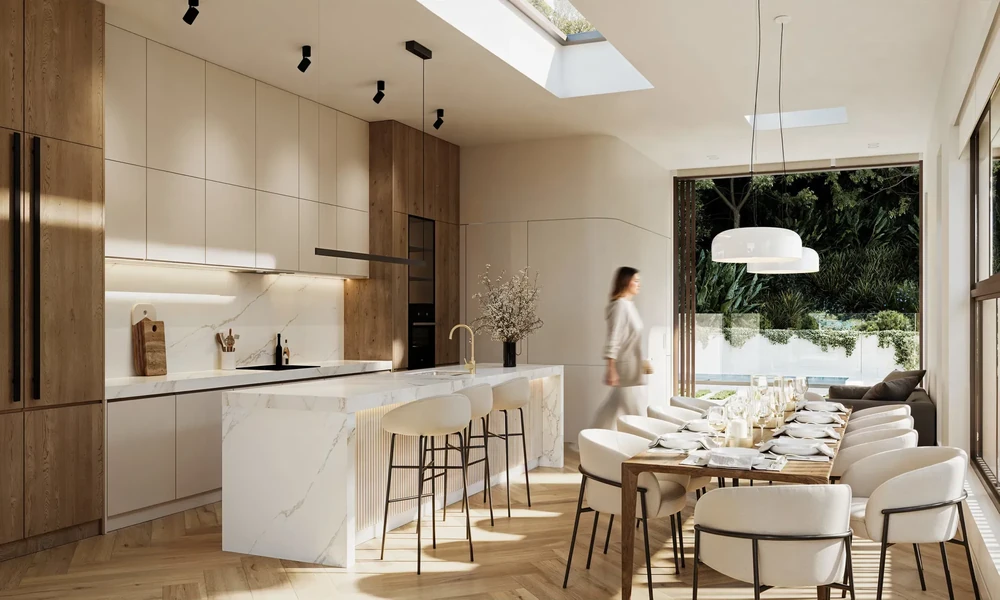
Lighting is often the silent partner in great architecture. It shapes how we experience a space without ever making a sound. The right techniques can elevate simple geometry into drama, while the wrong ones can flatten even the most inventive design. For architects and designers, mastering light means mastering mood, functionality, and ultimately, the narrative of each project.
The Role of Lighting in Architectural and Interior Design
Great design isn’t just about form and structure; it’s about how people feel and behave within those environments. Lighting is the unseen force guiding those experiences, helping to define not just what we see, but how we see it.
How Lighting Shapes Perception of Space
A tall ceiling under soft ambient light feels different than the same height under a pin-spot. Shadows can make a room appear smaller or highlight textures that might otherwise go unnoticed. Architects have long understood that light can stretch, compress, or carve up a space, simply by the angle, intensity, and placement of a fixture.
Emotional and Functional Impact of Light
There’s a science to how lighting affects mood. Warm tones create comfort and intimacy, while cool blues and whites foster alertness and focus. Functionally, task lighting ensures that workspaces reduce eye strain, while ambient and accent lights strike a careful balance between utility and atmosphere.
Integrating Lighting Early in the Design Process
Lighting should never be an afterthought. The most successful projects treat it as a core design element from the first sketch. Early collaboration with lighting specialists allows architects to embed fixtures, plan for natural light, and avoid costly retrofits.
Key Lighting Techniques to Realize Design Vision
No single technique fits every project. The magic often lies in a mix of approaches tailored to the unique goals of each space.
Ambient Lighting: Creating Overall Atmosphere
Ambient lighting is the baseline, the canvas upon which all other lighting builds. It ensures rooms are comfortable to inhabit and that there is a seamless, inviting glow. In open-plan spaces, cove lighting or discreet recessed fixtures can bathe everything in a soft wash, erasing harsh shadows.
Task Lighting: Enhancing Functionality and Focus
Whether it’s a reading nook or a kitchen counter, certain zones require dedicated light sources. Adjustable wall sconces or under-cabinet strips provide targeted illumination, allowing users to control focus and intensity as needed.
Accent Lighting: Highlighting Architectural Features
What deserves attention? Accent lighting provides the answer, drawing the eye to art, textured walls, or bold materials. Uplights can dramatize a sculptural column, while track lights let designers highlight shifting focal points over time.
Natural Lighting: Harnessing Daylight Effectively
Sunlight is both free and dynamic. Careful window placement, clerestories, and light wells allow architects to sculpt daylight into interiors. But too much can cause glare or overheating, so solutions like louvers and automated blinds help modulate the effect.
Dynamic and Adaptive Lighting Solutions
Spaces should transform as day changes to night. Dimmable LEDs, color-tunable fixtures, and sensors bring adaptability, letting designers set a scene or respond to user needs in real time.
Technologies and Tools Empowering Designers
The toolbox for contemporary lighting design is expanding rapidly, with innovation at the heart of progress.
LED Innovations and Their Design Advantages
LEDs have revolutionized lighting. They’re compact, energy-efficient, and available in an endless range of color temperatures. Designers can now embed light in places that would have been impossible with old-school bulbs, from wafer-thin panels to custom-shaped fixtures.
Smart Lighting Systems and Automation
Smart systems give users control over intensity, color, and timing. Whether through wall panels, apps, or voice assistants, spaces can remember scenes (like “evening dinner” or “work mode”) and adapt instantly to human needs.
3D Visualization and Lighting Simulation Software
Before a single fixture is installed, lighting designers employ advanced visualization tools to simulate effects. Programs like DIALux or Autodesk Revit allow for virtual experiments with placement, angles, and types of light, reducing surprises during construction.
Sustainable Lighting Choices and Energy Efficiency
Sustainability is no longer optional; it’s essential. High-efficacy fixtures, daylight harvesting, and occupancy sensors help minimize energy use. Projects pursue certifications like LEED to demonstrate commitment to responsible design.
Challenges and Best Practices in Lighting Design
Even the best ideas meet real-world constraints. Balancing ambition with practicality is an art form in itself.
Balancing Aesthetics with Practical Constraints
A fixture may look stunning in a rendering, but can it be installed within budget? Will it meet code? Designers must juggle beauty, cost, and regulations, often making hard choices to keep projects viable.
Addressing Glare, Shadows, and Light Pollution
Misplaced lights can cause discomfort or even disrupt sleep cycles. Strategic placement, baffles, and shielded fixtures help minimize glare and shadows inside, while exterior designs must consider neighbors and the night sky.
Collaborating with Clients and Contractors
Clear communication is essential. Mock-ups and physical samples bridge the gap between technical plans and client expectations, ensuring that ideas don’t get lost in translation on the job site.
Case Studies: Successful Lighting Implementations in Architecture and Design
Across Montreal, integrated approaches have brought character and clarity to a range of projects. Firms regularly consult resources like Avant-Scene lighting, whose expertise spans residential, commercial, and public spaces. Their guidance ensures not just technical precision but also a refined interplay between light and architecture.
In the end, lighting is both science and poetry. For architects and designers who master its techniques, it becomes the final brushstroke that brings ideas to life, subtly, powerfully, and always with intention.
